7 Travel Budget Mistakes That Inflate Your Trip Cost
The most expensive travel budget mistakes can happen before departure: a restrictive ticket bought too early, a route with unnecessary return legs, or separate bookings that leave no room for delays. Fix those decisions before trying to save a few euros on lunch.
These mistakes don't automatically double a whole trip's cost. Some increase one category; others create a potential loss you might struggle to absorb. The calculations below are hypothetical planning examples, not current quotes, measured averages, or promises of savings.
Key Takeaways
Compare complete booking costs, including changes, transfers, and cancellation terms.
Compare currency conversion offers and your card's fees before paying.
Allow realistic transfer time and assess insurance against the losses you cannot comfortably cover.
1. Booking a Restrictive Flight Before Dates Are Settled
A cheap fare can become expensive when your dates change. The relevant figure is the original price plus the actual change fee and fare difference permitted by that ticket's terms.
Example: a €220 fare, €150 change fee, and €60 fare difference total €430. Compared with a hypothetical €260 fare bought after confirming dates, that is €170 more. These are example amounts; check the airline's terms before booking.
Fix: confirm leave and group dates first. Compare flexible and restricted fares using the likelihood and cost of a change. There is no universal confidence percentage at which a flexible ticket becomes the better purchase.
2. Accepting Currency Conversion Without Comparing Costs
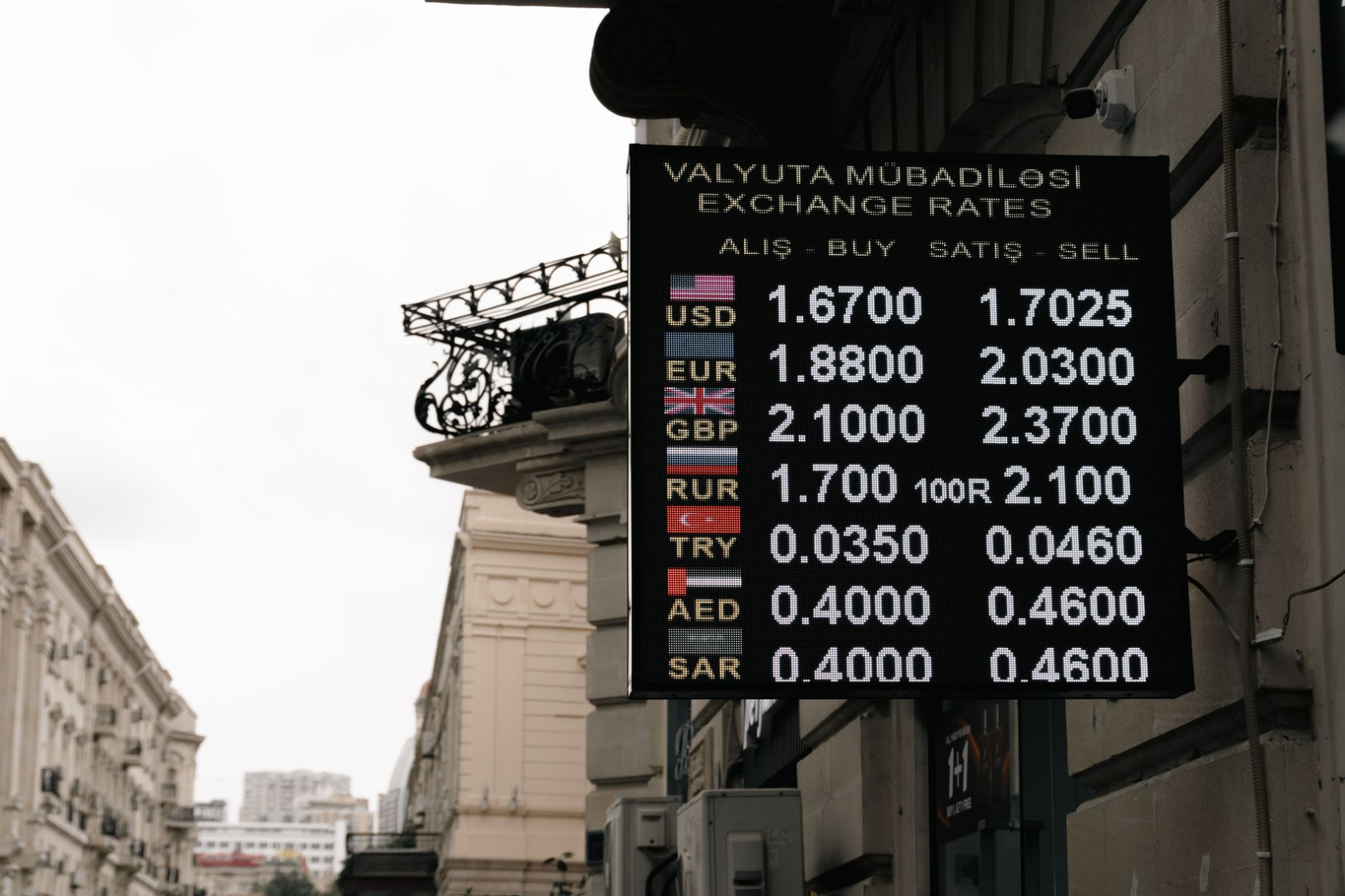
A terminal may offer payment in your home currency through dynamic currency conversion, or DCC. Visa's DCC guidance explains that this offer includes a conversion rate and additional fees. Check those details instead of treating a familiar currency as proof of a good deal.
Example: if an offer costs 7% more than the alternative, €3,000 of equivalent purchases costs €210 extra. The 7% is an assumption for this calculation, not a typical markup established here.
Fix: compare the offered conversion with the terms for paying in local currency, including your issuer's foreign transaction fees. Declining DCC does not remove separate bank charges. Check the receipt and record the final posted amount in your budget.
3. Comparing Exchange Rates but Ignoring Fees
Compare the local cash you receive for the same total debit. A counter's advertised rate, an ATM operator's fee, your bank's withdrawal charge, and any conversion offer can all affect that result. Airport location alone doesn't establish the cheapest option.
Example: a €300 exchange with a 12% assumed cost loses €36 of value. An alternative with a €3 fixed fee and a 1% assumed cost totals €6. The difference is €30, provided those are the actual terms and both calculations use the same reference rate.
Fix: check your bank's fee schedule before departure and compare the complete quote before accepting a withdrawal or exchange. Balance withdrawal frequency against fees and the practical risk of carrying cash.
4. Adding Return Legs Without Pricing the Whole Route
Flying into one city and out of another can remove a return journey, but the extra airfare may exceed the ground savings. Compare complete routes with the same start and end requirements.
Example: four intercity legs at €40 cost €160; six cost €240. Avoiding two legs saves €80 in ground transport. If the alternative flight costs €30 more, the net saving is €50, before other differences. This is not a doubling of the transport budget.
Fix: map overnight stops, then include flights, ground tickets, airport transfers, and any additional hotel nights. The realistic travel budget guide can help organize that comparison.
5. Treating Separate Tickets as One Protected Connection
A delay can make the next independently booked service unusable. Check the terms for each booking and the actual transfer process rather than assuming the onward operator must accommodate you.
Example: you prepay a €25 ferry and cannot use it. A replacement ferry costs €80 and an unexpected hotel costs €60. With no refund, the total is €165, which is €140 more than the original €25 plan. The unused ticket is already included; don't add it twice.
Fix: allow for baggage collection, immigration, terminal changes, ground transfers, and check-in deadlines. No single three-hour or four-hour rule guarantees enough time. Consider an overnight stop before an important departure and price it against your alternatives.
6. Prepaying More Activities Than You Want to Complete
An unused booking and additional spending on its replacement are different costs. Keeping them separate prevents a misleading total.
Example: five prepaid activities at €60 cost €300. If you miss two without a refund, €120 of the €300 buys no usable activity. Spend another €80 on those days and total spending becomes €380: €80 over the original budget, with €120 of unused bookings.
Fix: leave recovery time and check cancellation deadlines. Compare refundable and non-refundable prices directly. Book scarce, important activities early if necessary, while leaving less important plans flexible.
7. Choosing Insurance Only by the Trip's Purchase Price
A cheap trip can still involve a large medical or repatriation expense. An expensive policy can also exclude the event you are worried about. Assess the covered risks, limits, excess, and exclusions rather than using a trip-price cutoff.
The UK government's travel insurance guidance provides a checklist for considering cover. Its advice is aimed at UK travelers; use guidance and policy terms applicable to your residence and destination.
Example: a €90 premium is a known expense. Compare the premium with the losses the policy covers and the amount you could absorb yourself. If a policy covers a particular €3,000 loss, the payment still depends on its conditions, excess, and applicable limit. Insurance does not guarantee reimbursement for every loss.
Fix: check medical and repatriation cover, pre-existing conditions, planned activities, cancellation reasons, and purchase deadlines. Don't assume an add-on is available or that a universal 14-day deadline applies. Keep the policy and emergency contact details accessible.
Turn the Examples into Your Own Budget Check
For each booking, write down the base price, possible additional cost, refund terms, and alternative. Replace every assumed figure above with your actual quote. This exposes the decision you can still change.
Once bookings are settled, record your daily spending and compare it with the plan. Keep those totals for the next trip so your estimates reflect your own habits.