Albania vs Croatia: The Budget Beach Holiday Verdict for 2026
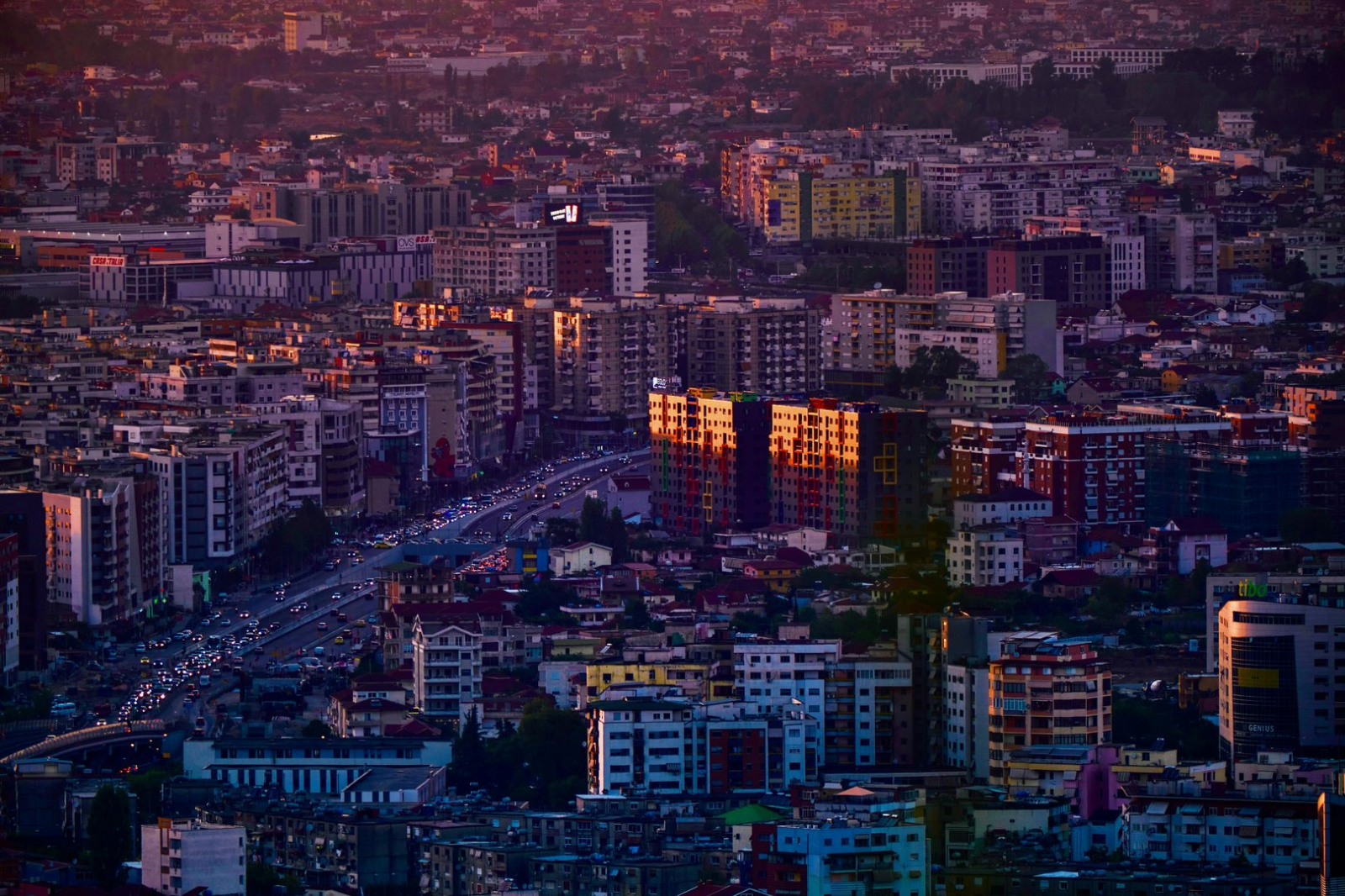
The question used to be simple. Albania was the dirt-cheap secret; Croatia was the polished, overpriced version of the same thing. That calculation worked when Croatia was still using the kuna and Dubrovnik was merely expensive rather than absurd. In 2026, both countries use the euro, both have been discovered, and the math no longer favors either one by default.
This is the comparison that matters: not "which is better" in the abstract, but which one gives you more of what you actually came for at a price that does not cause regret six months later.
Why This Comparison Changed in 2026
Croatia adopted the euro on January 1, 2023. The effect was immediate: prices that had been slowly climbing jumped overnight, and the "Croatia is almost as cheap as the Balkans" argument stopped working. By 2025, Dubrovnik had become one of the most expensive cities in southeastern Europe — a position previously held by places like Oslo and Zurich. Split followed. Hvar was already there.
Albania adopted the euro in 2022. Prices went up, but the base cost of everything — accommodation, food, fuel, transport — remained significantly below Croatian levels. The gap did not close. It narrowed, but it did not close.
The practical effect: a beach holiday in Croatia now costs 40–60% more than the equivalent experience in Albania. Whether that premium is worth it depends entirely on what you came for.
The Beach Comparison: Ksamil vs. the Croatian Riviera
Albania's beach argument lives in the south: Ksamil, the Albanian Riviera, and the coastline between Saranda and Himara. The water is genuinely the same Mediterranean blue as anything on the Croatian coast. The beaches in Ksamil are sandy, accessible, and — until about 10 a.m. in July — uncrowded.
The trade-off is variety. Albania's coastline is long but repetitive: the same dramatic cliffs, the same small gravel coves, the same views. You see a lot of coastline, but the range is narrow. After three days, the sameness starts to show.
Croatia's beaches reward exploration in a way Albania's do not. Hvar's rocky coves are different from Split's city beach which is different from Dubrovnik's Lapad Peninsula. Brač Island has the famous Zlatni Rat, a spit of beach that shifts shape with the wind — one of the few European beaches with a genuinely distinctive identity. Pakleni Islands off Hvar offer a cluster of small coves, each with its own character.
The verdict: If beach quality is your primary metric and you are comparing Ksamil against Dubrovnik's main beaches, Albania wins on value. If you are comparing Ksamil against the full range of what Croatia's islands and coastline offer, Croatia wins on variety. The water quality is essentially equivalent — same Adriatic, same clarity.
The Real Cost Breakdown for 2026
This is where the gap is widest and most decisive.
Albania — Ksamil / Saranda:
- Hostel dorm: €12–€20/night
- Airbnb private room: €25–€40/night
- Restaurant meal: €5–€10
- Coffee: €1–€1.50
- Local bus: €1–€3 between towns
- Ferry (Saranda–Corfu): €10–€15
- Realistic daily budget: €35–€60
Croatia — Split / Hvar / Dubrovnik:
- Hostel dorm: €25–€40/night (more in peak season)
- Airbnb private room: €60–€120/night
- Restaurant meal: €15–€30
- Coffee: €2.50–€4
- Local bus: €2–€6
- Ferry (Split–Brač): €7–€15
- Realistic daily budget: €75–€130
The gap is not marginal. A week in Albania at budget level costs roughly what three nights in Dubrovnik costs. If you are traveling on a genuine backpacker budget — the kind where every euro matters — this number is the conversation.
The one area where Croatia has a genuine advantage: backpacker social infrastructure. Hostels in Split and Hvar are social, well-run, and designed for exactly the backpacker demographic. Albanian hostels are improving but the consistency is lower. If meeting people is part of your holiday, Croatia has the edge.
Logistics: Getting There and Getting Around
Albania: Flights go to Tirana (TIA), increasingly from European hubs including budget carrier routes. No other Albanian airport has significant international traffic. Getting from Tirana to Ksamil or Saranda takes 3–4 hours by bus or shared taxi. Roads have improved significantly since 2022 but are still rougher than Croatian equivalents. No rail network. Car rental is cheap and the best way to access the remote coves between Saranda and Himara.
Croatia: Split and Dubrovnik both have airports with international connections. European budget carriers (Ryanair, Wizz Air) serve both — though routes have consolidated since 2024. The bus network is extensive, reliable, and covers the coast well. Ferries connect the islands reliably. Rail exists on the continent but does not reach the coast — you need buses or ferries for island access. Car ferry to Hvar or Brač is straightforward.
The bottom line: Croatia is easier to navigate independently. The infrastructure is more forgiving for a traveler who does not speak the language. Albania rewards the traveler who does their homework and is comfortable with more improvisation.
What You Give Up in Albania
This is the honest part of the comparison. The cost savings are real, but they come with trade-offs.
English availability: Outside Saranda and Ksamil's tourist zones, English is significantly less spoken than in Croatia. Menus are not translated. Bus tickets require more gesturing. Pharmacy staff may not have English. This is manageable — it always has been — but it is a real friction that Croatia has largely eliminated.
ATM and payment infrastructure: Albanian banks charge fees. Foreign cards sometimes trigger decline. Card acceptance outside tourist zones is spotty. Croatia is fully card-normalized.
Medical access: Albania's healthcare infrastructure is adequate for minor issues but not for emergencies. Major incidents require evacuation to Tirana or, realistically, transport to Greece or Italy. Croatia has more developed medical infrastructure along the coast. Travel insurance that covers medical evacuation is more important in Albania than in Croatia — that is not a minor point.
Food scene diversity: Albania's food is excellent and underappreciated — Byrek, tavë kosi, fresh seafood — but it is not varied. After a week, you have eaten most of what the cuisine offers in coastal areas. Croatia has absorbed Italian, Austrian, and Mediterranean influences in ways that give its restaurant scene more range, particularly in Split and along the islands.
The Verdict: Who Should Go Where
Choose Albania if:
- Your daily budget is under €60
- You have already been to Croatia or are prioritizing new destinations
- You want genuine solitude — the ability to have a beach essentially to yourself in July
- You are comfortable with less infrastructure and do not need everything to run smoothly
- You want to see something before it gets fully discovered
Choose Croatia if:
- You want the full European island experience — islands, ferries, the specific Adriatic vibe
- You are willing to pay 40–60% more for significantly better social infrastructure
- You value variety and are planning to island-hop across multiple destinations
- You need reliable infrastructure and prefer not to improvise
- Beach variety matters and you want the full range of rocky coves, sandy beaches, and coastal towns
The 2026 truth is simpler than it used to be: Albania is the better value by a wide margin. Croatia is the better experience by a narrower margin than it used to be. If you are choosing between the two purely on economics, Albania wins. If you are choosing on experience quality and have the budget for Croatia, it is still worth the premium — but only just, and mostly for reasons that have nothing to do with beaches.
Go to Albania while the price gap is still this wide.