6 Cultural Mistakes That Cost Travelers Money in Southeast Asia
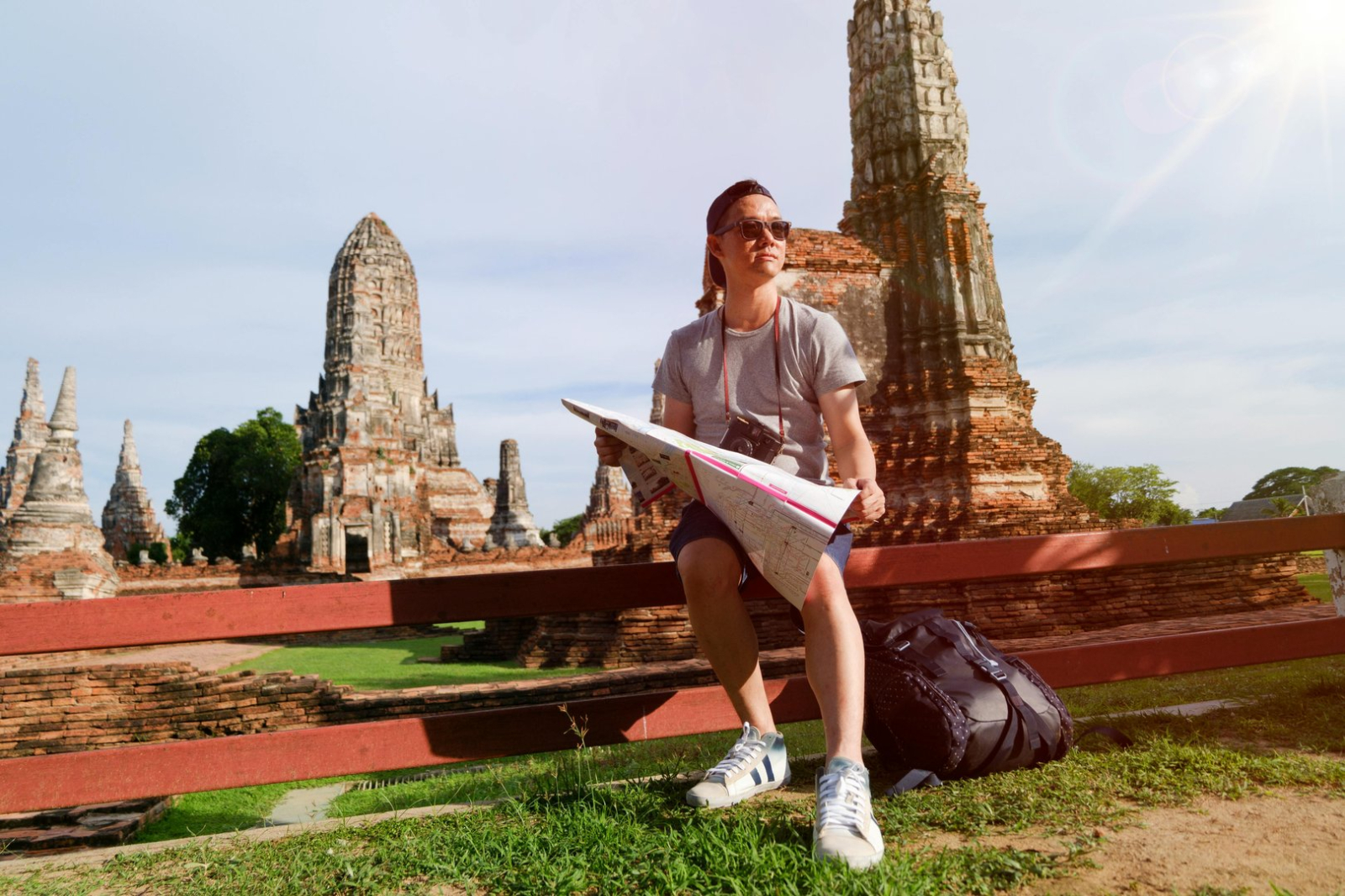
You've booked the flights, packed your bag, and spent hours planning the perfect route through Bangkok, Siem Reap, and Bali. But somewhere between the airport arrivals hall and your first temple visit, a quiet cultural mistake quietly drains your wallet — or worse, gets you turned away at the gate of a site you traveled half a day to reach.
Southeast Asia is one of the most rewarding regions in the world to visit. It's also one of the easiest where small, innocent cultural missteps compound into real financial losses — wasted transport fares, refused entry fees, awkward confrontations, and bills that could've been half the price.
This isn't a lecture on etiquette. It's a practical guide to the mistakes that cost travelers actual money — and what to do instead.
The Dress Code Trap: How the Wrong Outfit Costs You the Whole Day
Nothing ruins a morning in Siem Reap faster than standing outside Angkor Wat in shorts while every other tourist strolls past in long pants and a borrowed sarong.
Temple dress codes across Thailand, Cambodia, Vietnam, and Myanmar are real and enforced — not just at major sites but at smaller, working temples where local worshippers are present. Enforcement has only tightened since 2025, with Angkor Wat's management authority cracking down on shorts, crop tops, and bare shoulders more consistently than ever before.
The cost isn't just embarrassment. It's everything you spent to get there: thetuk-tuk from your hotel, the park entrance fee (already priced 5–10x higher for foreign tourists), and the hours you'll never get back. A $1–$3 sarong purchased at the gate — or better yet, packed from home — would have saved all of it.
The rules are consistent across the region: shoulders covered, knees covered, shoes removed before stepping onto temple platforms. Countries like Myanmar are stricter still — Shwedagon Pagoda in Yangon has attendants who will turn you away for see-through fabrics, not just bare skin.
💡 Packable fix: A light scarf and a pair of long pants take up barely any room in a day bag and get you into every temple in the region. The one time you don't have them is the one time you'll need them.
The Overcharging Game: What Locals Pay vs. What Tourists Pay
In tourist areas across Thailand, Vietnam, Cambodia, and Bali, there's a quiet two-tier pricing system. Not always — and not everywhere — but often enough that it's one of the most common sources of financial friction for first-time visitors.
A tuk-tuk ride in Chiang Mai that costs a local 20 baht might be quoted to you at 150. A taxi ride in Hanoi that a resident pays 50,000 dong for could start at 200,000. A boat crossing in Koh Samui that residents do for free has a tourist price attached to it.
This isn't always a scam. Sometimes it's simply how the informal economy works — tourism money is welcome and expected, and vendors gauge what they think you can afford. But that doesn't make the financial gap feel any less sharp when you realize you've been had.
How to protect yourself:
Use Grab (the regional ride-hailing app) wherever it's available. It works in Bangkok, Ho Chi Minh City, Hanoi, Jakarta, and most major tourist cities. The price is shown upfront.
Agree on a price before you get in a tuk-tuk, songthaew, or cyclo — not after. "Meter or nothing" is a valid negotiation stance in most cities.
Know roughly what a journey should cost before you start. A 15-minute ride in a Bangkok taxi should cost roughly 50–80 THB on the meter. In Hanoi, a short hop should be under 50,000 VND.
In markets, expect to negotiate — but negotiate downward from a starting price that's already inflated, not from zero. A good rule: if the first price feels comfortable, you're probably paying double.
Tipping Culture Shock: Where It Costs You — and Where It Costs Them
Southeast Asia is, broadly speaking, a non-tipping culture. Staff in most restaurants, hotels, and service roles are paid a wage — and tipping is not expected the way it is in the United States or parts of Europe.
But this broad statement has important exceptions — and getting them wrong in either direction causes problems.
Where tipping is genuinely appreciated — and sometimes expected:
In Thailand and Bali, massage and spa tipping is deeply embedded in the service culture. A 60-minute Thai massage or Balinese spa session at an independent establishment typically sees 10–15% tip or 100–200 THB / 50,000–100,000 IDR left behind. For therapists at budget-to-mid-range spas, this tips-out income is part of what they earn. Not tipping after a long, skilled session is noticed — and it's genuinely appreciated when it happens.
In the Philippines, tipping is standard practice. Restaurant bills often don't include a service charge, and 10% is the customary tip in sit-down restaurants.
Where tipping can cause awkwardness:
In Vietnam, Cambodia, and most of Indonesia outside resort areas, tipping is not part of the cultural norm and can sometimes cause confusion. Leaving too much or making a show of it can create discomfort.
The coin taboo is real. In many Southeast Asian cultures, tipping with coins is associated with charity for the poor — something like tossing pennies. Always tip in folded bills.
⚠️ Rule of thumb: When you're at an international hotel chain, a high-end resort, or a dedicated spa in a tourist area — tip. When you're at a local restaurant, a street stall, or a family-run guesthouse — don't worry about it unless the service genuinely went above and beyond.
The Bank Card Block: The Mistake That Leaves You Stranded
This one doesn't feel cultural until it happens to you.
You land in Bangkok at midnight. You try to withdraw cash from an ATM. Your card gets declined. You try again. Declined. You call your bank — they're closed. You try to pay for a taxi in cash but you've only got a 100-dollar bill and no change. Your phone's eSIM isn't activated yet so you can't access your banking app.
This is a solvable problem, but it's a painful one — and it happens constantly. The most common cause is that banks, detecting a transaction in a foreign country, automatically freeze the card as a fraud prevention measure. Without advance notice from you, that freeze stays in place until you can reach your bank.
ATM fees compound the problem. Most ATMs in Southeast Asia charge a withdrawal fee of 150–220 THB (Thailand), 20,000–30,000 VND (Vietnam), or $1–5 USD equivalent — and that's before your home bank adds their own foreign transaction fee, which is typically 1–3% of the withdrawal.
What to do before you leave:
Call or message your bank to activate international travel mode. Most major banks have a travel notification feature in their app now.
Carry a backup card from a different bank network, ideally one with no foreign transaction fees.
For 2026, consider a multi-currency travel card like Wise or Revolut — both offer mid-market exchange rates with no markup and can be managed entirely from your phone.
Always carry a small amount of local cash from an airport exchange counter on arrival — even if the rate is slightly worse, it's your emergency fund until you're set up.
The "That's Not a Scam, That's Just the Price" Trap
Not every extra charge is a scam. Some are just the way the system works — and tourists who don't know the difference end up either paying inflated prices for things they could've avoided, or being genuinely rude about legitimate fees.
Foreign visitor pricing at attractions is legal and common throughout Southeast Asia. Angkor Wat charges roughly $37 for a one-day pass to foreign nationals versus a nominal fee for Cambodians. Thai national parks charge foreigners 300–500 THB versus 50 THB for locals. This isn't a scam — it's a policy decision designed to subsidize local access. Complaining about it won't change it, but knowing about it helps you budget accurately.
The Bali visitor levy (roughly 150,000 IDR / $10) applies to all international visitors entering Bali as of 2025–2026. It catches many first-time visitors off guard. Budget for it before you arrive — it's not optional.
Visa fees are another category. Most nationalities can enter Thailand for 30 days visa-free. But visa-on-arrival fees (where applicable in Vietnam, Cambodia, Laos) are legitimate government charges — typically $25–$50 USD — and are paid at the airport immigration desk.
💡 Pro tip: Check the IATA Travel Centre or your destination country's embassy website before departure. Visa rules,levy amounts, and entry fees change. What was free in 2024 might have a fee attached in 2026.
The Scams You Can Avoid With One Simple Habit
Southeast Asia is broadly safe. The vast majority of encounters with taxi drivers, market vendors, tour operators, and strangers are honest. But scam patterns do exist — and they're remarkably consistent because they work on predictable tourist behaviors.
Gem scams, counterfeit tours, and "my guide is sick" tuk-tuk detours all share a common structure: they get you to pay money upfront for something that either never arrives or turns out to be entirely different from what was advertised.
The single most effective habit for avoiding most of these: never pay for something you haven't received.
Don't pay for a tour before you see the vehicle, meet the guide, or confirm the itinerary in writing.
Don't buy "certified" gems from a roadside shop — the certification is not recognized outside the seller's own store.
If a stranger tells you the temple you're heading to is "closed today" and offers to take you somewhere better — politely decline and verify independently. The temple is not closed.
This one habit — withhold payment until value is delivered — eliminates the majority of the most common scams in the region.
For the rare case where something does go wrong, the practical recourse is simpler than most tourists expect: your accommodation host or a local tourism board office can almost always help resolve a dispute more effectively than any online warning forum.
The thing about Southeast Asia is that it's extraordinarily forgiving once you understand a few basic cultural rules. The region has been welcoming tourists for decades, and most people working in the travel industry genuinely want you to have a good time. These mistakes aren't moral failings — they're just the predictable result of arriving with information you weren't given.
Pack the scarf. Agree on the price. Ask your bank before you go. And never pay upfront.