Ecuador Safety Tips for First-Time Travelers: Your Honest 2026 Guide
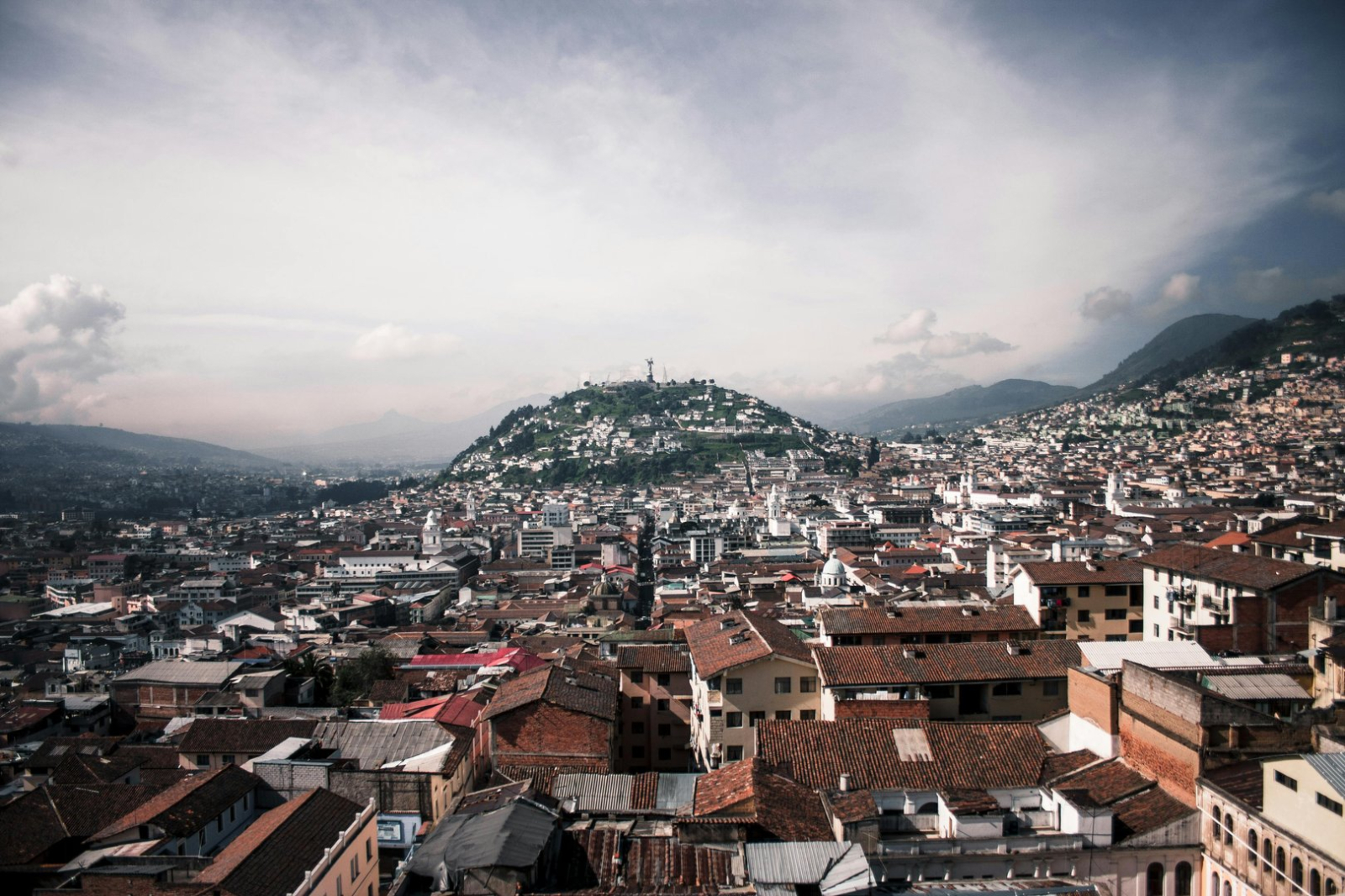
You've booked the flights, scouted the hostels, and started a Pinterest board called "Quito Eats." Then a well-meaning friend texts: "Are you sure Ecuador is safe?"
And just like that, doubt creeps in.
It's the moment every first-time Ecuador traveler hits. You Google "Ecuador safety" and land on two kinds of articles: ones that say the country is perfectly fine and you have nothing to worry about, and ones that read like war zone dispatches. Both are wrong. Both are unhelpful.
The truth is more interesting than either extreme — and once you understand the actual landscape, Ecuador becomes one of South America's most rewarding destinations for first-timers who go in with their eyes open.
This guide is that eye-opener. No fear-mongering. No vague "just be careful." Just the real picture: where to go, where to skip, and how to travel Ecuador with confidence.
The Question Everyone Asks First: Is Ecuador Safe?
Here's the honest answer: Ecuador is a country of contrasts, and your safety depends heavily on where you go, what you do, and when you're paying attention.
The US State Department currently rates most of Ecuador at Level 2 — Exercise Increased Caution (October 2025), with specific zones rated Level 3 (Reconsider Travel) and Level 4 (Do Not Travel). That sounds alarming until you realize that Level 2 is the same rating given to many parts of Mexico, Brazil, and even certain US cities after dark.
What this means in practice: The vast majority of tourist areas — Quito's central neighborhoods, the Galapagos Islands, Cuenca, Baños — are safe to visit with standard travel precautions. The danger zones are real, but they're not where most first-timers spend their time.
The key is understanding that Ecuador's safety challenges are heavily geographically concentrated. Knowing which zones to avoid isn't just useful — it's the difference between a trip you'll remember forever and one you'd rather forget.
The 2025 Zone Map: Reading the Travel Advisory Like a Pro
Think of Ecuador's safety landscape as a series of concentric circles. Your experience will depend on which circles you spend your time in.
Level 4 — Do Not Travel (avoid entirely):
The most serious warnings cover specific pockets: southern Guayaquil (south of Portete de Tarqui Avenue), the border cities of Huaquillas and Arenillas in El Oro province, and Esmeraldas city and all areas north of it. These are areas where organized crime is active and where tourist infrastructure simply doesn't exist. You won't accidentally end up here — these aren't on the typical first-timer itinerary.
Level 3 — Reconsider Travel:
Certain provinces warrant extra thought: parts of Guayaquil north of Portete de Tarqui Avenue, El Oro, Los Ríos, Sucumbíos, Manabí, Santa Elena, and Santo Domingo. If your route takes you near these areas, do extra research on your specific destination and consider alternative transport.
Level 2 — Exercise Increased Caution (the realistic baseline):
This is where most of Ecuador's tourist circuit lives — Quito, the Andean highlands, the Amazon gateway towns, the coastal surf towns. Petty crime happens. You need to pay attention. But violent crime targeting tourists in these zones is statistically rare.
The pattern is clear: tourist infrastructure = safety. Ecuador's tourism economy is significant, and the government, police, and local businesses have a strong interest in keeping visitors safe. Stick to the places that travelers have been going for decades, and you'll find Ecuador warm, welcoming, and far less scary than its reputation suggests.
The 5 Real Dangers First-Timers Face (In Order of Likelihood)
Forget what you've heard about random violence. Here's what actually puts Ecuador travelers at risk, ranked by how likely you are to encounter it.
1. Petty Theft
This is the number-one threat, and it's not unique to Ecuador — it happens in Rome, Barcelona, and New York too. Phone snatchings, pickpocketing on crowded buses, and items lifted from unattended bags on overnight buses. The solution isn't paranoia; it's basic street smarts. Keep your phone in a zipped front pocket, don't flash wads of cash, and don't leave your bag unguarded on the back of a chair.
2. Taxi Scams
This is where Ecuador gets more specific than most destinations. The most documented scam involves someone — sometimes posing as a friendly local — jumping into your taxi mid-route and forcing you to make ATM withdrawals. It sounds elaborate, but it starts simply: you hail a street taxi, someone slides in beside you, and suddenly you're in a bad situation.
The fix is embarrassingly easy: always have your accommodation call your taxi for you. Or use a ride app. In Quito, Guayaquil, Manta, and Playas especially, this single habit eliminates the most common taxi-related risk.
3. Protest Blockades
Demonstrations are a regular feature of Ecuadorian political life, and they can block major roads — including the routes between cities — without warning. If you're renting a car or taking a bus during a period of political tension, this can strand you. The practical solution: check local news before long journeys, have a flexible schedule, and know that buses sometimes add hours to routes rather than cancel entirely. The demonstrations are about politics, not tourists — but getting caught in one is genuinely inconvenient.
4. Express Kidnapping
This is the scariest item on the list, and it's worth understanding clearly. "Express kidnapping" means criminals forcibly detaining someone to rapidly withdraw ATM funds. It's real. It happens. But it overwhelmingly targets wealthy Ecuadorians, not tourists in recognized accommodation or tourist zones. Walking home drunk alone from a bar in an unfamiliar neighborhood? That's the risk profile. Staying in tourist areas with your wits about you? Your risk drops to near zero.
5. Petty Scams
These are the low-stakes version: you're overcharged for a taxi, a vendor gives you wrong change, a "helpful" stranger offers to carry your bag — and then expects payment. None of these will ruin your trip, but being aware of them means you're less likely to get caught off guard.
Quito Neighborhood Guide: Where to Stay and Where to Skip
Quito is the arrival point for most first-timers, and your neighborhood choice shapes your experience. Here's the real breakdown.
La Carolina — This is Quito's safest and most practical bet for first-timers. It's a residential and commercial district with good restaurants, easy access to public transit, and a generally calm feel. The Parque La Carolina is a local landmark. You'll find reliable taxis here, and the neighborhood attracts a mix of expats and well-to-do quiteños. Base yourself here.
Cumbayá — If you're arriving late, consider staying here on your first night. It's a quieter, newer suburb east of central Quito, with a small-town feel, good restaurants, and a strong expat community. The airport is closer from here. It's often called the "safe zone" of Quito — less character than the center, but a comfortable introduction.
La Mariscal — This is Quito's backpacker and nightlife hub. It's lively, social, full of hostels and travel agencies, and a great place to meet other travelers. You'll also encounter more street hassle here: people trying to sell you tours, occasional petty theft, and a general energy that requires paying attention. La Mariscal is fine — just stay alert and don't walk alone late at night. Consider it Quito's equivalent of Paris's Montmartre: fun, social, and requires some street sense.
Old Town (Centro Histórico) — Quito's stunning colonial heart. The architecture is breathtaking, the plazas are magical, and UNESCO didn't give it World Heritage status for nothing. But stay here during the day and leave before dark. After dark, Old Town empties out and becomes a different neighborhood. A few blocks can mean the difference between a great evening and a bad one. See it in daylight. Eat dinner somewhere else.
The Bottom Line on Neighborhoods: La Carolina or Cumbayá for your base. La Mariscal for the social scene (daytime and early evening). Old Town for a morning or afternoon visit — with your camera, not your valuables. For deeper neighborhood breakdowns and updated traveler reports, Nomadic Matt's Ecuador destination guide is one of the most consistently accurate resources available.
Your First-Trip Safety Toolkit
Here's the practical stuff that actually matters.
Money: Carry $20–40 in cash for the day. Keep the rest in your accommodation's safe or a money belt. Use ATMs inside banks during business hours, not on the street. Exchange currency at official casas de cambio (exchange houses), not with street changers. Ecuador uses the US dollar, so there's no exchange rate gamble — but making change can be genuinely hard in small towns. Carry small bills.
Transport: For taxis in Quito and Guayaquil: always have your hotel or restaurant call one for you. If you must hail on the street, note the taxi plate number before getting in and share it with someone at your destination. Intercity buses in Ecuador are extensive and cheap — a Quito to Guayaquil bus costs $11–28 and takes about 7 hours. They're safe for standard travel; the risk is road quality, not crime.
Documents: Make two copies of your passport before you leave home — one physical copy in your luggage, one stored digitally in cloud storage or emailed to yourself. If your passport is stolen, the embassy can replace it faster with a copy on file. Register with your home country's travel notification system (for US citizens: the Smart Traveler Enrollment Program — it's free and lets the embassy contact you in emergencies).
Travel Insurance: This isn't optional. Medical evacuation from the Galapagos or a remote Amazon lodge can cost tens of thousands of dollars. Choose a policy that covers medical evacuation, theft of electronics, and trip interruption. Providers like World Nomads, SafetyWing, and Genki all cover Ecuador. Read the fine print on what's explicitly covered.
SIM Cards and Connectivity: Buy a local SIM from Claro or Movistar at the airport. For roughly $10–15, you get data that lets you use Google Maps,翻译 apps, and ride-hailing apps — all of which reduce your vulnerability to scams and wrong directions.
Offline Maps: Download your route before you go. Google Maps works offline if you download the area in advance. This is especially useful on long bus journeys where you want to track your progress and know when your stop is approaching.
What About the Galapagos?
Short answer: it's safer than the mainland in almost every way that matters.
The Galapagos Islands have a much lower crime rate than the Ecuadorian mainland. There is virtually no petty theft, violent crime is essentially unheard of among tourists, and the communities on the islands are small and tightly knit. The real risks on the Galapagos are environmental, not criminal: sun exposure, ocean conditions, and the logistics of getting medical care on remote islands if something goes wrong.
What catches first-timers off guard: medical evacuation from the Galapagos to mainland Ecuador costs thousands of dollars and may require a helicopter or private plane. If you're planning a Galapagos trip — whether by cruise or island-hopping — this is the single most important reason to buy travel insurance before you leave home.
On the logistics side: your Galapagos Transit Control Card (TCT) is checked twice (at the airport on departure and arrival), your bags are scanned, and the park fee ($100 for international visitors) is non-negotiable. These aren't obstacles — they're evidence of a well-managed, fragile ecosystem that Ecuador has deliberately protected.
The One Rule That Covers Everything
If you take nothing else from this guide, take this: trust your instincts.
If a neighborhood feels off, leave. If a taxi driver makes you uncomfortable, get out before the trip starts. If a stranger's offer seems too good, it is. If your gut says something is wrong, something is wrong.
Ecuador rewards the traveler who stays present. The country is beautiful, the people are warm, and the food — especially in highland markets — is extraordinary. The vast majority of Ecuadorians are honest, helpful, and proud of their country. The dangers are real but avoidable. The key is awareness, not fear.
Go to Ecuador. Go with your eyes open. And go anyway.