Europe Destination Dupes 2026: The Cheaper Alternatives Worth the Trip
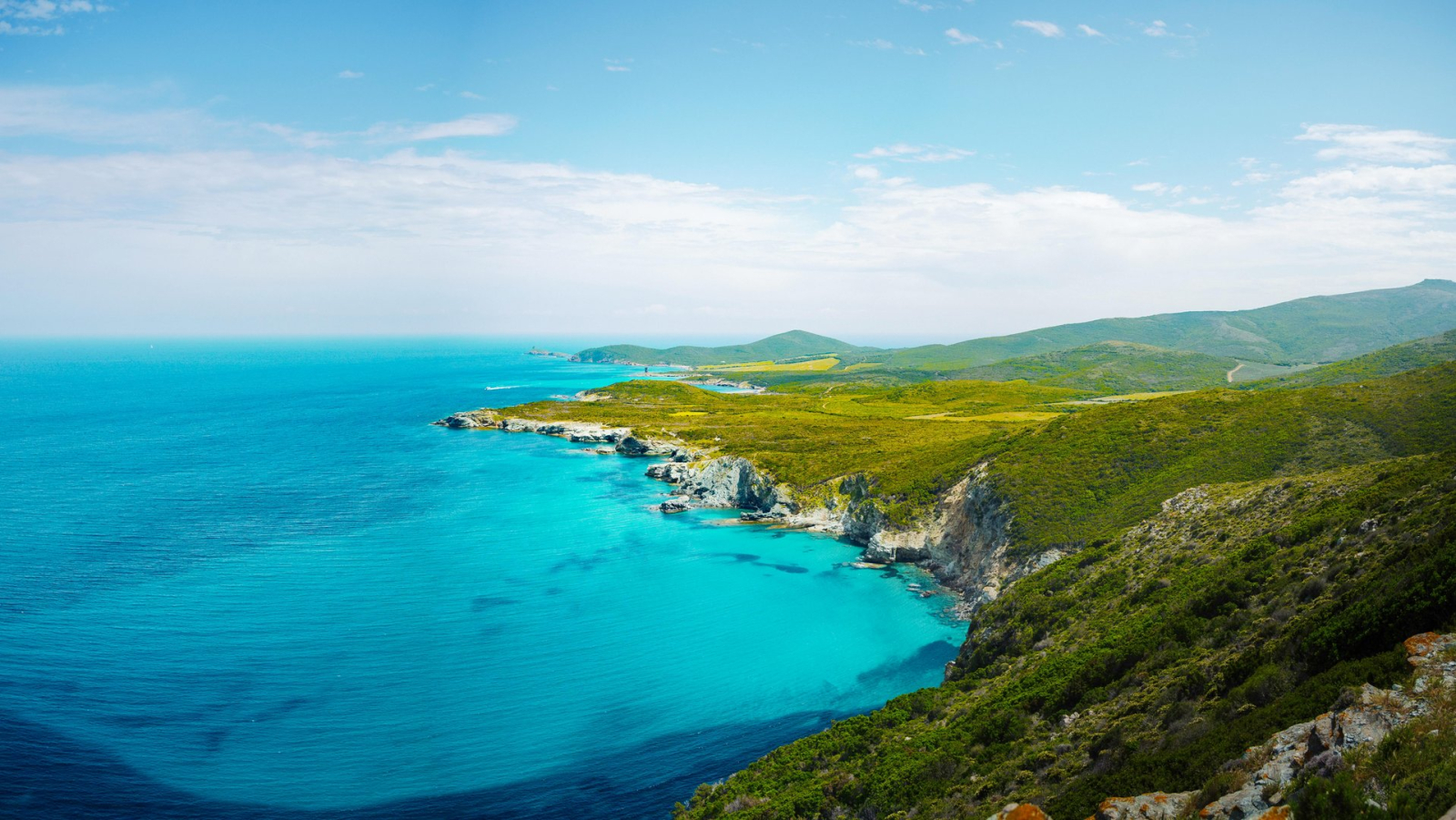
The word "dupe" in travel has a specific meaning now. It is not "this place is kind of like that other place." It is "this place gives you most of what you came for, at a fraction of the cost, with a fraction of the crowds." The dupe framework has moved from beauty products into travel planning, driven by a generation of travelers who have watched the cost of Barcelona double and the crowds at Cinque Terre make the photos impossible to take.
The search is real. The answers are messy. Here is the honest version.
Why Europe Destination Dupes Are Having a 2026 Moment
Venice charges entry fees. Barcelona is unaffordable for most backpackers. The Amalfi Coast has a reservation system for the beach. Paris is Paris — which means it is expensive, crowded, and booked months ahead. The cities that built the modern travel imaginary are increasingly inaccessible for the people who grew up dreaming about them.
The dupe movement is a response to overtourism. Travelers are asking: what destinations deliver the same feeling, the same experience, the same Instagram opportunity — without the cost and the crowds? The answer is complicated because "the same feeling" is subjective and "cheaper" has hidden costs. But some comparisons are better than others.
Amalfi Coast Dupe: Cilento vs. Albanian Riviera
The Amalfi Coast delivers: cliff-hanging villages, Mediterranean blue water, dramatic coastal driving, food that is excellent and expensive. The dupe question is which of those four things you care most about.
Cilento (southern Campania, Italy) is the geographically closest dupe. The coastline is equally dramatic — less vertical, more open, with longer stretches of beach accessible by road. The water is the same color. The food is the same cuisine at lower prices. The crowds are a fraction of the Amalfi density. The trade-off: the villages are less iconic. Positano does not have a dupe. Cilento has a better coastline for the price, not a better version of Positano.
Albanian Riviera (southern Albania) is the radical dupe — costs roughly 60–70% less than equivalent accommodation in Campania, the water is equally clear, the coastline is genuinely dramatic. Saranda and Ksamil have beach quality that rivals the Mediterranean. The trade-off is real: infrastructure is less developed, English is less universally spoken, the food scene is more limited, and getting there requires more logistics. For travelers who want beach and scenery at a price that does not cause regret, the Albanian Riviera in 2026 is the most significant dupe in Europe.
Swiss Alps Dupe: Slovak Tatras or Transylvanian Carpathians?
The Swiss Alps deliver: high-altitude drama, cable cars to glaciers, alpine meadows, hiking at elevation. The price tag for this experience in Switzerland is approaching $300 a night for a mid-range hotel.
Slovak Tatras (High Tatras, Slovakia) deliver genuine alpine scenery at roughly 40% of the Swiss cost. The mountains are lower than the Swiss Alps — peaks around 2,600m vs. 4,000m+ — but the hiking infrastructure is solid, the trails are well-marked, and the character is genuinely unspoiled. Budget accommodation in Tatranska Lomnica or Starý Smokovec is a fraction of Swiss equivalents. The cable cars exist. The alpine lakes exist. The trade-off: shorter season, less extreme altitude, more limited après infrastructure.
Transylvanian Carpathians (Romania) are the wild-card dupe — genuinely dramatic mountain scenery in one of Europe's most underrated rural landscapes. The Făgăraș Mountains have peaks above 2,500m, the Transylvanian Alps have a remote quality that the busy Swiss trails have lost. The cost is shockingly low by Western European standards. The trade-off: logistics are harder (car required for most access), signage is less consistent, and the mountain hut infrastructure is less developed.
For budget travelers who want the alpine hiking experience, the Slovak Tatras are the most practical dupe. For adventurous travelers who want solitude and scale, the Romanian Carpathians reward the extra effort.
Barcelona Dupe: Valencia or Lisbon?
Barcelona's specific appeal: the Gothic Quarter architecture, the Mediterranean waterfront, the food scene, the nightlife, Gaudi's architecture, the specific urban energy of a dense coastal European city. A dupe has to match several of these.
Valencia is the closest dupe on most dimensions. The food scene is arguably better — Valencia is where paella originates, the mercado central is extraordinary, and the tapas culture is equally serious. The architecture is less iconic — Valencia has no Gaudi — but the old town has genuine character, the City of Arts and Sciences is a striking modernist statement, and the beach is more accessible. The urban energy is real but more relaxed than Barcelona. Accommodation costs are 30–40% lower. Valencia is the best dupe for Barcelona if you care most about food and Mediterranean city feel.
Lisbon is the dupe for a different dimension of Barcelona — the hill-town quality, the Fado-inflected melancholy, the specific Portuguese version of Atlantic coastal European energy. Lisbon's seven hills and views, its trams, its tiled facades, its neighborhood fado houses — these have no equivalent in Valencia. Lisbon is not cheaper than Barcelona (Lisbon has caught up in price) but it is more authentic in feel for travelers who want a city with genuine character rather than a resort destination with an architecture problem. If Barcelona's energy is what you came for, Lisbon gives you a different version of that energy for roughly the same money.
Paris Dupe: Brussels or Lyon?
Paris delivers: monumental architecture, world-class museums, café culture, a specific European urban grandeur, the Seine, food at every level. These are not easily duplicated.
Brussels is the closest practical dupe in Western Europe. The Grand Place is genuinely impressive architecture. The food — both Belgian classics and the surprisingly serious restaurant scene — is underrated. The museums (Royal Museums of Fine Arts, Magritte) are world-class without the crowds. The café culture is real. Brussels is 40% cheaper than Paris for accommodation and 20–30% cheaper for dining out. The trade-off: no equivalent to the Seine's urban promenade, no iconic structure on the level of the Eiffel Tower or Notre-Dame, and the city's energy is more administrative than romantic. Brussels is the dupe if you want the European grandeur experience without Paris prices.
Lyon is the dupe for food-focused travelers who want a genuinely world-class gastronomic scene at a fraction of Parisian cost. Lyon's bouchons (traditional Lyonnais restaurants) are extraordinary and inexpensive compared to Paris equivalents. The old town (Vieux Lyon, a UNESCO site) is genuinely beautiful. The Roman amphitheater and the views from Fourvière are extraordinary. Lyon does not have the Haussmannian grandeur of Paris, but it has more history than most people know. For food-first travelers, Lyon beats Brussels as a Paris dupe.
The Honest Trade-Off Framework
Dupes work when the specific things you came for are available in the dupe destination. They fail when you are chasing a feeling that only one specific place delivers.
When the dupe is worth it: You came for the Amalfi coastline and water — Cilento delivers. You came for Swiss Alps hiking and scenery — the Slovak Tatras deliver. You came for Barcelona's food and Mediterranean city energy — Valencia delivers. You are optimizing for experience at accessible cost.
When the dupe fails: You came for Gaudi — only Barcelona has Gaudi. You came for the specific romance of Paris at dusk on the Seine — Brussels does not deliver that. You came to check the famous landmark off the list — the dupe is always a compromise, and some compromises are not worth making.
The question to ask before chasing a dupe: what specifically am I coming for? If the answer has a specific physical location — Gaudi's Sagrada, the Trevi Fountain, the Amalfi hairpin bends — the dupe will disappoint. If the answer is a feeling — coastal blue, alpine hiking, European city grandeur, exceptional food — the dupe is probably the better choice.
The dupe movement in 2026 travel is not about settling. It is about being honest with yourself about what you actually came for. The places that built the travel imaginary — Amalfi, Paris, Barcelona — are crowded and expensive because they deliver something real. But some of what they deliver is also delivered by places that have not yet been discovered by enough people to price themselves out. Find those places before they get found.