Overnight Train: 6 Checks Before You Book
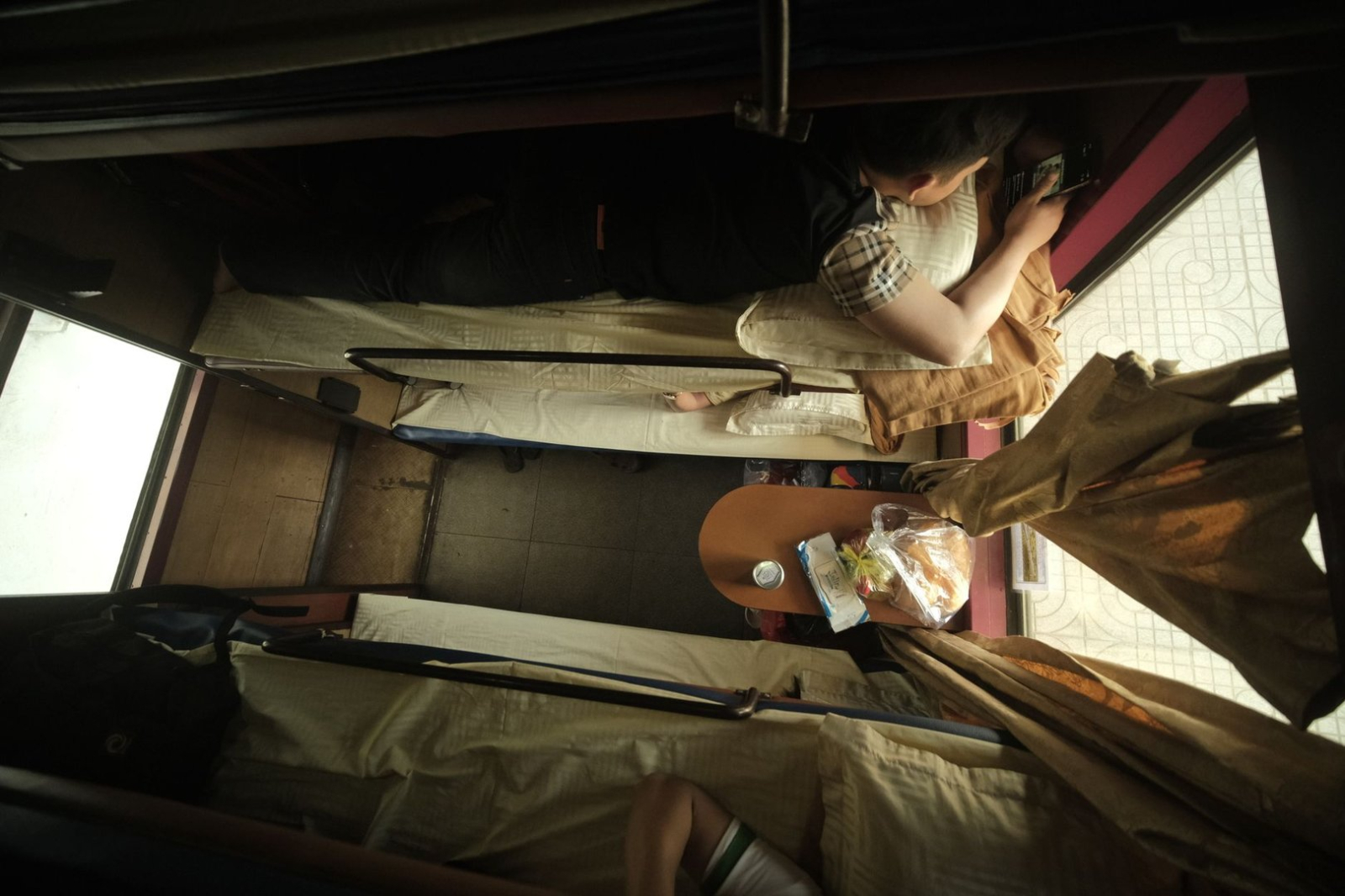
An overnight train can take you to another city while you sleep. But the ticket might buy a chair, a bunk among strangers, an individual sleeping pod or a private room. Those are very different ways to spend the night.
The most useful first question is what you need to arrive ready for the next day. A bed, privacy and a bathroom are separate features, and a product called a “sleeper” does not necessarily include all three.
This guide explains how to compare accommodation, read the fare and decide whether overnight travel fits your budget. The examples focus on European services, with an Amtrak comparison to show why terminology does not transfer neatly between operators. Operator information was checked on 22 October 2026; check your specific departure before paying.
Key takeaway: Choose the sleeping arrangement you need first. Then compare its total price with the travel and accommodation it would replace.
Start with the itinerary, because even a comfortable bed cannot make an awkward schedule convenient.
1. Decide whether an overnight train fits your itinerary
Look for an evening departure and morning arrival that work with your plans. A service that reaches your destination at an inconvenient hour may create more waiting than useful time.
Check whether your own journey stays on the same train overnight. A journey planner can show an overnight connection that includes a change of trains in the middle of the night. That is a different proposition from settling into one berth until morning.
Compare three realistic plans:
A night train with the accommodation you would actually book.
A daytime train and any hotel or hostel night that plan requires.
A flight with baggage, transfers and any additional accommodation.
Match the departure and arrival requirements. An evening flight followed by a hotel and an early-morning flight are different alternatives, even when they reach the same airport.
Map where you would sleep each night under each plan. If the night train removes one paid night, count that saving once. If you are leaving from home and the competing itinerary does not add a hotel, there may be no accommodation payment to subtract.
Think of the night train as a moving accommodation booking with a transport function. That makes it easier to identify the room—or seat—you are willing to pay for.
2. Compare a seat, couchette, sleeper berth and private room
These descriptions are a starting point. The operator's layout and booking conditions determine what you receive.
Booking type | Sleeping setup | Privacy question to check |
|---|---|---|
Seat | A chair in a compartment or open-plan coach | Are other passengers sharing the space? |
Couchette berth | A basic bunk in a sleeping compartment | Are you buying one bunk or the whole compartment? |
Sleeper berth | A bed in a sleeping-car compartment | Can another traveler book the remaining beds? |
Private compartment | Exclusive use under the chosen booking | Which beds, bathroom and services are included? |
Individual sleeping pod | A separate compact sleeping space | Which facilities remain shared outside it? |
Nightjet's couchette and Mini Cabin guide distinguishes shared compartments from individual Mini Cabins. Availability depends on the train and equipment.
A sleeper berth is not automatically a private room. Nightjet's sleeping-car description says individual berths can be booked in some double and triple compartments, with the compartment then shared. If exclusivity matters, select and confirm it explicitly.
Also separate a private compartment from a private bathroom. A room can be yours alone while toilets or showers remain elsewhere in the carriage.
For a solo traveler comfortable sharing, a couchette may offer a useful compromise. For a couple or family, compare the whole-compartment total. Once the layout suits you, check what else the quoted price covers.
3. Check exactly what the fare includes
Read the booking as four separate purchases: permission to travel, your reserved place, any exclusive occupancy and the services included with that accommodation.
A full-fare ticket may combine several of those elements. A pass-holder reservation is a different product. Do not compare the reservation alone with a full flight or rail fare.
For example, European Sleeper's pass guidance says eligible pass holders still need to buy an accommodation reservation. If you are deciding whether to buy a pass, include its cost in the trip budget. If you already own one, identify the additional charge for this journey and check its validity requirements.
Meals also vary by operator and category. European Sleeper's train guide lists breakfast as included in Comfort Plus, while other classes can purchase it. A category name alone does not establish the meal allowance.
For a different example, Amtrak's private-room guidance includes meals with private rooms. It describes Roomettes with access to shared restroom and shower facilities, while Bedrooms have private in-room facilities. Do not assume a European booking follows those same arrangements.
Before comparing totals, confirm bedding, meals, luggage arrangements, bathroom access and any booking fees. Those details turn an attractive headline price into a usable travel budget.
4. Compare total costs for the same travelers
Keep every quote on the same basis. A per-person bunk price cannot be compared directly with a whole hotel room or a whole train compartment.
Here is a hypothetical one-way comparison for two adults. These are invented inputs to demonstrate the calculation, not current fares or typical-price estimates.
Whole-party cost | Shared couchettes | Private compartment | Day train + hotel |
|---|---|---|---|
Full travel and accommodation tickets | €180 | €300 | €100 |
Additional hotel room | €0 | €0 | €120 |
Extra meals, storage and local transport | €30 | €30 | €20 |
Total | €210 | €330 | €240 |
Under these assumptions, shared couchettes save €30 against the day-train plan. The private compartment costs €90 more. Those differences answer the price question; they do not establish which experience you will prefer.
Change the inputs to match your trip. If the daytime plan does not require the €120 hotel night, it totals €120 instead. The apparent night-train saving disappears.
For flying, add the actual flight quote, baggage charges you would pay, airport transfers and any additional hotel night. Use the same party size and account for whether meals are already included elsewhere.
You can value a saved afternoon or extra privacy without pretending it is a cash saving. Keep those reasons beside the budget so you can decide whether any premium is worthwhile. Our guide to why vacations go over budget can help you check for omitted expenses. Then check whether the booking guarantees the arrangement you priced.
5. Book the accommodation you actually need
Use the operator's booking page to check the exact date, stations and party. Confirm that the accommodation shown for that departure matches the general description you researched.
Look for explicit language about sharing and exclusive use. Nightjet's whole-compartment guidance describes private options separately. Enter every traveler before deciding that a displayed price buys the space for your whole group.
Check the berth position and access requirements too. If climbing to an upper bunk would be difficult, establish what can be reserved and what assistance is available before paying. Bed dimensions, luggage space and accessible layouts deserve the same attention as the price.
Booking windows and refund terms are not universal. The Nightjet booking FAQ lists different advance-sale periods for Nightjet and other night services, and cancellation conditions depend on the ticket type. Read the conditions attached to your fare rather than relying on a general “book six months ahead” rule.
Save the confirmation and check that it identifies your travel dates, accommodation and passengers correctly. A completed booking settles the transport plan; a small amount of preparation helps you enjoy the night itself.
6. Prepare for the night and protect the next morning
Pack a small overnight pouch so you can reach essentials without opening your main bag in a crowded compartment. An eye mask, earplugs, charging cable and any personal items you need overnight are useful starting points. Check which bedding the operator supplies.
In a shared space, keep the aisle clear and avoid repeated rummaging after others settle down. Check how the compartment lock works and follow the crew's instructions. Keep your ticket and travel documents accessible for any required checks.
Plan arrival separately from the train journey. Find out where you can leave luggage and when your accommodation will let you enter the room. If you need a shower or early check-in, confirm its availability and cost. Keep those extras visible with a simple system for tracking travel expenses on the road.
Leave room for an imperfect night. A bed on a moving train may suit you well, or you may arrive tired. For a first trip, choose a flexible morning and avoid making an expensive activity depend on immediate arrival and excellent sleep.
An overnight train earns its place when the route, sleeping arrangement and total cost work together. Book one well-chosen journey before building a whole holiday around sleeping in transit. Arriving somewhere new is more rewarding when you have enough energy to enjoy being there.