Overnight Train London to Edinburgh: Is It Worth It?
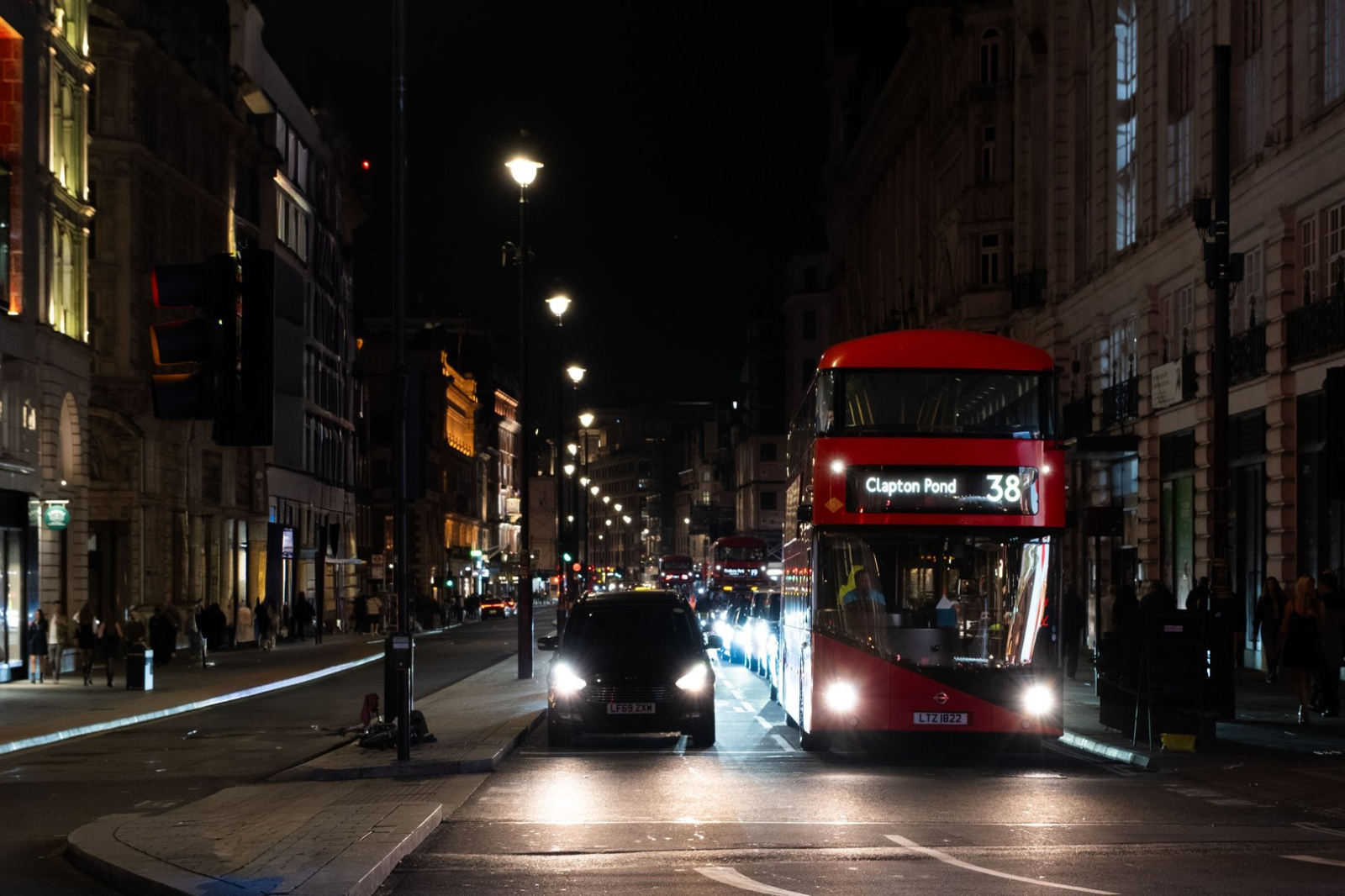
The overnight train London to Edinburgh can replace a journey and a hotel night with one booking. Whether it saves money depends on which ticket you buy, how many people travel and whether you would actually pay for that hotel otherwise.
The service is the Caledonian Sleeper, running from London Euston to Edinburgh Waverley. You can book a reclining seat or a private room. A seat buys overnight transport; a room also gives you a bed. That difference matters much more than the word “sleeper” on the ticket.
Quick answer: Compare the total sleeper booking with flights, baggage, airport transfers and any hotel night genuinely avoided. Then decide whether the likely sleep and morning arrival suit your plans.
This guide uses operator information checked on 15 October 2026. The calculations below are examples, not live fare quotes. Start with the route and schedule before comparing prices.
1. How the overnight train London to Edinburgh works
The operator's published Edinburgh timetable, valid from 17 May to 12 December 2026, lists these northbound services:
Departure day | Leave London Euston | Arrive Edinburgh Waverley |
|---|---|---|
Monday to Friday | 23:45 | 07:30 the following morning |
Sunday | 23:30 | 07:30 the following morning |
The operator describes a six-night service, excluding Saturday. Check your exact departure date, especially around engineering works and timetable changes.
The same route page lists general boarding from 22:30, with priority boarding from 22:15 for Club and Caledonian Double guests. Rooms must be vacated by 08:00 on arrival in Edinburgh. Boarding and departure are different times: use the details attached to your booking.
Euston is the London departure station for this service. Do not assume that another London–Edinburgh rail booking uses the same station.
An overnight schedule gives you time on the train, but not every minute is sleep. Boarding, settling in and preparing to leave all take part of the night. Your accommodation choice determines how you can use the remaining hours.
2. Choose a seat or a private room
The operator's accommodation list includes seats and private rooms. It does not list a couchette option: the shared, basic sleeping berth found on some other European night trains.
Option | What you get | Main decision |
|---|---|---|
Seated Coach | A reclining seat | Are you comfortable sleeping upright? |
Classic Room | Twin bunks and an in-room washbasin | Do you want a bed without paying for an en-suite? |
Club En-suite | Twin bunks, en-suite shower room and included breakfast | Is the bathroom upgrade worth the quoted difference? |
Caledonian Double En-suite | A double bed, en-suite shower room and included breakfast | Does this room suit your party and budget? |
Accessible accommodation has its own layouts and facilities; check the specific option rather than assuming this table describes it.
The Classic Room details list breakfast as available to buy. There is also an interconnecting-room option, which may be useful for a family or group. Confirm the arrangement when booking.
The Seated Coach page describes adjustable headrests and footrests, charging points and at-seat food ordering. Seated guests do not have Club Car access.
Treat a seat like an overnight chair journey, not a discounted hotel room. If you already struggle to sleep sitting up, its lower price may cost you an enjoyable first day. Once you know which accommodation you would realistically use, compare the full totals.
3. Compare the whole trip cost, not the headline fare
A cheap flight and an expensive room can both be misleading starting points. Put every option on the same basis: the same people, the same travel direction and a comparable arrival requirement.
For a flight, add:
The fare for everyone traveling.
Any baggage and seat-selection charges you would actually pay.
Transport to the London airport and from Edinburgh Airport.
A hotel night only if that itinerary requires it.
For the sleeper, add the booking total for your chosen occupancy, travel to Euston, onward transport from Waverley and any meals or arrival services you need.
Keep hotel costs at room level. Two people sharing one hotel room should not each be charged for a separate room in your comparison. Equally, a solo traveler should use the actual solo sleeper quote, not half a two-person total.
The hotel-night question is a calendar question. Sketch where you sleep on each night under both plans. Count a saving only when the sleeper removes a hotel payment you would otherwise make. An evening flight might require an Edinburgh hotel; a daytime flight could fit into a different itinerary without adding that same night.
Use the same approach for daytime rail. Include whichever hotel night belongs to that plan, rather than assuming every alternative has identical accommodation costs. With those totals in place, you can calculate a useful break-even point.
4. Calculate the hotel price that makes the sleeper worthwhile
Use this comparison:
Break-even hotel cost = sleeper total − flight total before hotel
Here is a hypothetical one-way example for two adults sharing one room. Every amount is an invented calculation input, not an advertised fare or an estimate of typical prices.
Cost for the whole party | Sleeper plan | Evening flight plan |
|---|---|---|
Private room booking | £340 | — |
Flights | — | £110 |
Airline extras | — | £40 |
Local transport and transfers | £20 | £60 |
Additional hotel night | £0 | £150 |
Total | £360 | £360 |
In this example, the flight costs £210 before the hotel. The sleeper costs £360. The break-even hotel cost is therefore £150.
If the hotel you would otherwise book costs £200, the flight-and-hotel plan becomes £410, making the sleeper £50 cheaper. If that hotel costs £100, flying totals £310 and is £50 cheaper.
If you would not need an extra hotel night at all, the flight remains £210 in this example. The sleeper's £150 premium would then need to be worth paying for its timing, convenience or experience.
This is a travel budget, not a promise of equivalent rest. Think of the sleeper as a room that moves: it replaces a place to spend the night, but it cannot guarantee how well you sleep. Check the morning plan before treating either option as the winner.
5. Plan the hours between arrival and check-in
Arriving at Waverley in the morning does not automatically mean you can enter your hotel room. Ask your accommodation about luggage storage and early check-in, including any charge. Keep an unconfirmed early check-in out of the plan.
You may only need somewhere to leave a bag before breakfast. Or you may need a shower, a place to change and a quiet hour before a meeting. Those are different requirements with different possible costs.
The operator's onboard guidance notes that the train stops and starts during the night. A bed improves your sleeping setup, but motion and noise may still disturb you. Avoid making the success of an expensive first-morning activity depend on feeling fully rested.
For a first sleeper trip, a flexible morning is a sensible choice. Leave time for breakfast, bags and the possibility that you feel tired. If the trip is built around a fixed early appointment, compare arriving the previous evening and sleeping in a stationary room as well.
That morning plan tells you which ticket features matter enough to pay for—and which are simply appealing extras.
6. Book the right ticket and protect your first morning
Start with the operator's booking system and enter the full party before comparing accommodation prices. Check the departure date, room or seat type, occupancy, arrival details and fare conditions together.
Be careful with the term room supplement. The operator's supplement rules say a supplement is not a travel ticket and is not valid alone. It requires an eligible underlying rail ticket. Dedicated Sleeper bookings include travel and accommodation; a separate supplement is not needed for those bookings.
The same rules say a room supplement cannot be combined with a Caledonian Sleeper seated ticket. Do not buy the cheapest seat expecting to add a standard room supplement later. Price the accommodation you need from the beginning.
Before paying, check:
Whether the displayed total covers everyone in your party.
The cancellation and change conditions for that fare.
Any accessibility, luggage or room-layout needs.
The cost of breakfast and your arrival-morning arrangements.
Recheck the operator's travel updates before departure. A published timetable is a planning reference; your date-specific booking and service updates need the final check.
The overnight train London to Edinburgh earns its place when its timing, total cost and sleeping arrangement fit your trip. Put the actual quotes beside each other, count only the hotel night you truly avoid, and leave yourself a morning you can enjoy. The best saving is one that still feels worthwhile when you step off the train.