Why Traveling in Southeast Asia Feels So Different (And How to Adapt)
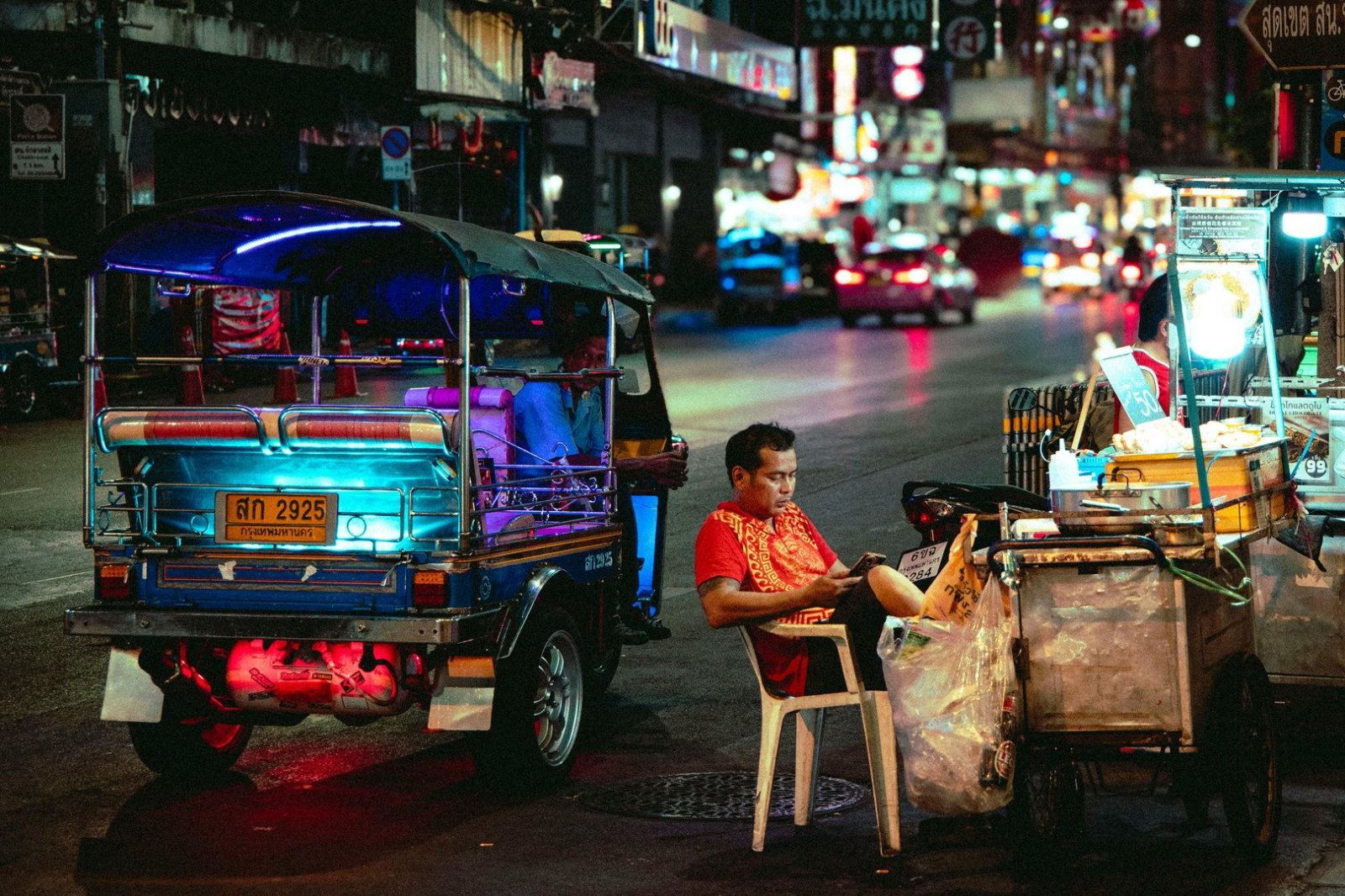
You land in Bangkok after a 14-hour flight, exhausted but excited. You step out of the airport into wall-hot humidity, grab what looks like a taxi, and ask to go to your hotel. The driver nods, smiles, and... doesn't move. He keeps smiling. You repeat yourself. More nodding. Still nothing.
Welcome to Southeast Asia.
The first few days can feel like you're navigating a parallel universe. Everything from the pace of life to the way people communicate seems backwards compared to what you're used to. But here's the secret: once you understand why things work differently, everything clicks. And suddenly, what felt confusing becomes refreshing.
In this guide, I'll walk you through why Southeast Asia feels so different and—more importantly—how to adapt so you can actually enjoy the ride.
💡 TL;DR: Southeast Asia operates on different cultural logic (relationship over efficiency, patience over speed). Embrace the differences, adjust your expectations, and you'll discover a region that's endlessly rewarding.
The Pace of Life: Slow Down or Get Left Behind
Everything Takes Longer
In Western travel, everything runs on schedule. Train at 8:15? Be there by 8:00. Restaurant closes at 10? Last order at 9:30.
Southeast Asia has a different relationship with time. The concept of "sometime around noon" is perfectly reasonable. Your tour might leave at "dawn" and actually depart at 7:30, 8:00, or whenever everyone finishes their coffee.
Why it feels different: Western culture values efficiency and punctuality as virtues. Southeast Asian culture often prioritizes relationships and present-moment enjoyment over rigid schedules.
How to adapt:
Build buffer time into every plan—double your estimated travel time
Don't book tight connections (flight at noon, tour at 1 PM = stress)
Embrace "Thai time" as part of the experience, not an inconvenience
🚀 Pro tip: The phrase "maybe now, maybe later" is standard. When someone says "five minutes," they might mean anywhere from five to thirty. Relax into it.
The Heat Changes Everything
You haven't真正 experienced heat until you've walked a single block in Bangkok at 2 PM in April. The humidity wraps around you like a wet blanket. Every breath feels slightly thick.
This heat fundamentally shapes daily life in ways Western visitors underestimate. Shops close during the hottest afternoon hours (2-5 PM) because no one wants to be outside. Everything slows down. People rest. This isn't laziness—it's survival strategy.
How to adapt:
Plan activities for early morning (6-10 AM) and evening (after 6 PM)
Take breaks during midday—your body will thank you
Carry water everywhere and drink even when you're not thirsty
Communication: It's Not What You Say, It's What You Don't Say
The Smile That Means Everything
Thais have a saying: "Mai pen rai" (never mind, it's okay). It's not just a phrase—it's a philosophy. Conflict is avoided, faces are saved, and harmony is prioritized over confrontation.
This means:
A "yes" might not mean "yes" — it might mean "I hear you" or "I'm trying to be polite"
Criticism is almost never direct—you'll need to read between the lines
Getting upset or showing frustration is considered inappropriate and ineffective
Why it feels different: Western communication tends to be direct. "No means no." In Southeast Asia, saving face is paramount, and direct "no" can feel rude or aggressive.
How to adapt:
Don't demand or insist—ask politely and accept the answer
When things go wrong, stay calm. Raising your voice won't speed things up
Learn to read body language and tone instead of taking words literally
💡 Tip: In Thailand especially, the wai (a slight bow with hands pressed together) is the greeting. Using it shows respect and immediately warms interactions.
Language Barriers Are Real (But Surmountable)
English is limited outside tourist areas. Menus are in Thai/Vietnamese/Indonesian script. Directions might be given in the local language with confident hand gestures you can't decode.
How to adapt:
Download offline Google Translate with language packs before you go
Learn key phrases: "Hello" (sawadee), "Thank you" (khop khun), "How much?" (tao rai?), "Delicious" (aroy)
Point at things, smile, use hand gestures—communication is a creative act
Food Culture Shock: When Your Stomach Goes on Adventure
Street Food Is King (And It's Safe)
In the West, street food carries a whisper of caution. In Southeast Asia, street food is where the best flavors live. Night markets sizzle with woks tossing noodles, grills smoking meat, and pots bubbling with soups.
The key difference: variety. You might see 20 vendors at a night market, each specializing in one dish. One stall has been making only pad thai for 30 years. Another does only grilled chicken. The specialization produces incredible quality.
How to adapt:
Follow the crowds—busy stalls = fresh ingredients
Look for places where locals eat (no English menu = authentic)
Start small. Your stomach needs time to adjust to new bacteria. Ease into the spicier stuff
⚠️ Warning: Ice in drinks is usually fine (it's made from purified water), but start with sealed bottled drinks for the first few days until your stomach acclimates.
The Spice Is Real
Southeast Asian spice tolerance is built from childhood. What locals consider "mild" can feel like a fire to unaccustomed tongues. The good news? You can always ask for "mai pet" (not spicy) and most restaurants will accommodate.
How to adapt:
Always ask "pet?" (spicy?) before ordering
Have a glass of milk or yogurt nearby—the casein helps neutralize capsaicin
Start with "a little bit spicy" and work your way up
Eating Times Are Different
Southeast Asia doesn't do big lunches. The biggest meal is often dinner, eaten late (7-9 PM is normal). Lunch might be a quick bowl of noodles from a street vendor at noon.
Night markets come alive around 5-6 PM and stay open until midnight. That's when the best food appears.
How to adapt:
Eat when hungry, not on a strict schedule
Snack at night markets for dinner—you'll eat better food for less money
Accept that "breakfast" might just be coffee and a piece of toast at your hostel
Social Norms That Catch Visitors Off Guard
The Feet Are Dirty (Keep Them Low)
In Buddhist cultures, feet are the lowest, dirtiest part of the body. Pointing your feet at altars, Buddha statues, or people is disrespectful. Sitting with feet pointing at someone is rude.
How to adapt:
Remove shoes when entering homes, temples, and some shops
Don't point with your feet or step over someone sitting on the ground
When sitting in a temple, tuck your feet beneath you or sit with legs crossed
The Head Is Sacred (Don't Touch)
Conversely, the head is the highest, most sacred part of the body. Touching someone's head—even affectionately—is a serious faux pas.
How to adapt:
Never touch anyone's head, including children
Be careful when handing things to someone—pass with your right hand or both hands as a sign of respect
Don't put your feet up on tables or chairs where they might be at head level
Bargaining Is Expected (And Social)
In Western shops, prices are fixed. In Southeast Asia, haggling is normal, expected, and—even more confusing—enjoyable. It's a social interaction, not a battle.
How to adapt:
Always ask for the price first—there's usually room to negotiate
Start at 40-50% of the asking price and meet in the middle
Smile, be friendly, and treat it as conversation, than confrontation
Walk away if you can't agree—you can always come back
💡 Tip: Only bargain at markets and with taxi/tuk-tuk drivers. In malls, convenience stores, and restaurants, prices are fixed.
Transportation: Getting Around Without Losing Your Mind
The Traffic Rules (Or Lack Thereof)
Roads in Southeast Asia can feel chaotic. Motorbikes weave between cars. Red lights are suggestions. Horns mean "I'm here" more than "get out of my way."
How to adapt:
Crossing streets: don't wait for a gap—walk slowly and steadily. Vehicles will go around you. It's their job to not hit you
Use Grab (the region's Uber) for safe, priced-in-advance transport
On motorbike taxis: hold on tight, lean into turns, and don't wear flip-flops
Distances Are Deceptive
That "30-minute" bus ride? It might be three hours on winding mountain roads. The "short boat trip" could be a cargo ferry with no seats. Distances in Southeast Asia are measured in hours, not kilometers.
How to adapt:
Book overnight transport—it saves a accommodation cost and time
For short distances (under 2 hours), local buses are fine. Longer? Consider flying
Accept that getting anywhere takes longer than expected
The Mental Game: Expectations vs. Reality
Service Isn't Fast (And That's Okay)
In a region where "service with a smile" meets "Mai pen rai," don't expect Western-style efficiency. Your coffee might take 15 minutes. Your taxi might arrive an hour late. The restaurant might forget your order entirely.
How to adapt:
Build patience as a core travel skill
Smile more—it genuinely helps interactions
Lower your bar for "good enough" service and enjoy the ride
Things Go Wrong (And That's Normal)
Buses break down. Hotels lose reservations. Monsoons flood roads. In Southeast Asia, a certain amount of chaos is simply part of the experience.
Western travel trains us to expect everything to work perfectly. Southeast Asia will test that expectation constantly.
How to adapt:
Roll with it—getting frustrated changes nothing
Have backup plans (know the next bus, have hotel contacts saved)
Laugh about it later. These stories become your best travel memories
⚠️ Warning: Always have travel insurance. Medical issues, lost bags, and cancelled flights do happen. Don't risk it.
How to Actually Thrive (Not Just Survive)
Here's the honest truth: Southeast Asia isn't hard because it's dangerous or difficult. It's hard because it's different. Once you accept that, you unlock an incredible experience.
Lower your expectations — Not in a pessimistic way, but release the need for everything to work perfectly
Emrace the chaos — The best moments come from things going unexpectedly
Connect with locals — They're endlessly friendly and curious about travelers who show respect
Learn the culture — Even basics show you're trying, and locals appreciate the effort
Be present — This region rewards slow travel and attention over rushing through bucket lists
Conclusion
Yes, Southeast Asia feels different. The heat is oppressive, the pace is slower, the communication is indirect, and nothing works quite the way you'd expect.
But here's what most visitors realize by week two: those differences are the point. The region's magic lies in stepping out of your comfort zone and into something genuinely new. You're not just seeing new places—you're experiencing a fundamentally different way of being.
So yes, it'll feel strange. That's okay. Lean into it. The moment you stop fighting the differences and start appreciating them, Southeast Asia stops feeling foreign and starts feeling like the most alive place you've ever traveled.
