Best Alaska Trips: How to Match Your Travel Style to the Right One
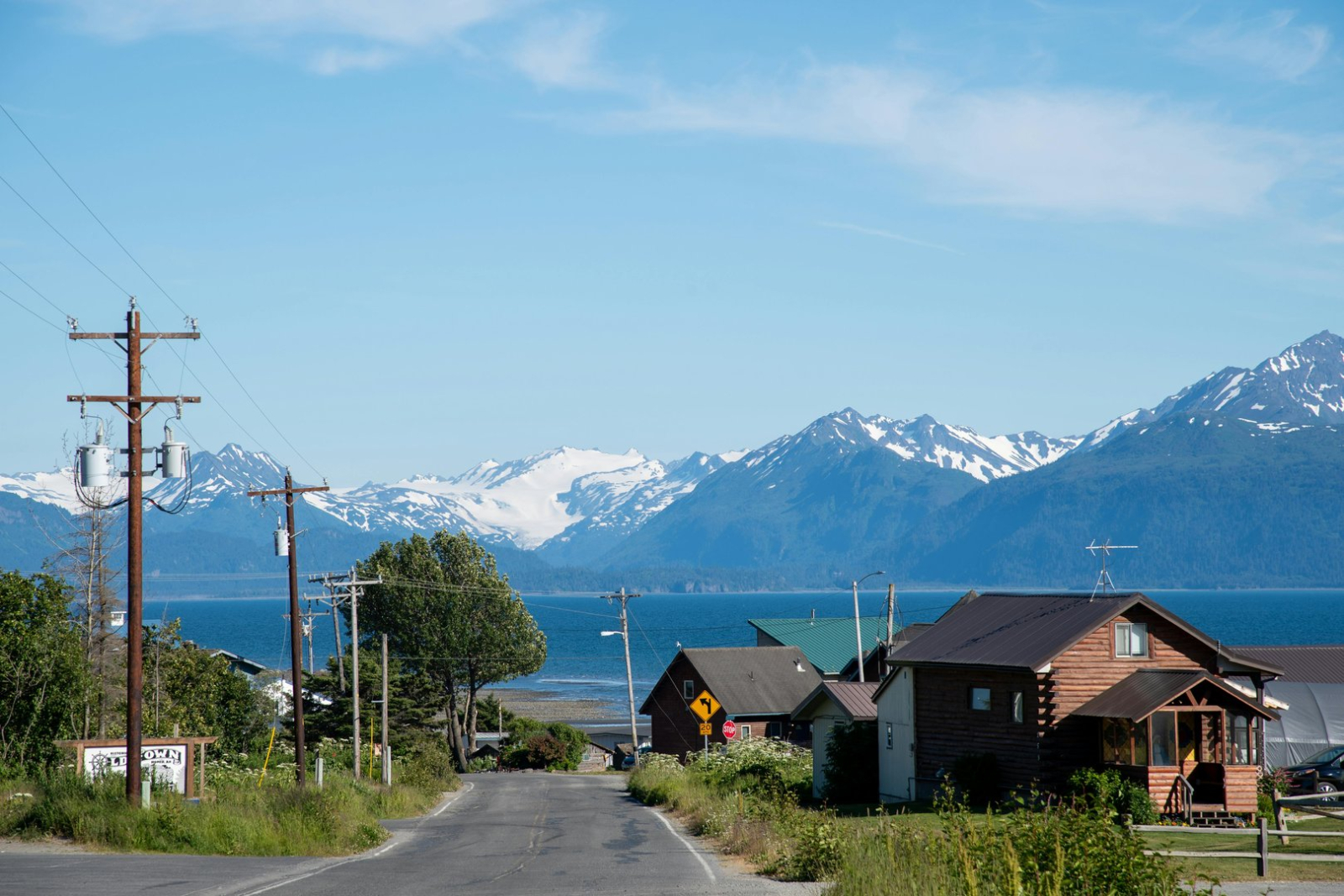
When most people think "Alaska trip," they picture a Denali bus tour followed by an Inside Passage cruise. That's a fine trip — but it's one specific trip, not Alaska. The state is 663,300 square miles, roughly the size of the next three US states combined, and it supports five completely different travel experiences depending on what you want from your time there.
The problem is, most content glosses over the differences and throws you a list of the same five destinations. This post does it differently. Below is a clear framework for the five distinct ways to experience Alaska, matched to the type of traveler each one suits best.
Alaska Is Not One Trip — It's Five
Before diving into destinations, here's the framework that makes everything else click. Alaska has five primary trip archetypes:
The Highlight Tour — Denali, Talkeetna, Fairbanks. Efficient, structured, full of iconic moments.
The Outdoor Playground — Kenai Peninsula, Kenai Fjords, Seward. Action-oriented, accessible from Anchorage.
The Aurora Quest — Fairbanks and the Interior. Focused, cold, worth every shiver.
The Slow Passage — Inside Passage via Alaska Marine Highway ferry. Remote coastal towns, no itinerary pressure.
The Wilderness Frontier — Gates of the Arctic, Wrangell-St. Elias, Katmai. High commitment, high reward.
Figure out which category you fall into first. Everything else — budget, timing, logistics — follows from there.
Denali & the Interior — For the Highlight-Chaser
Best for: First-timers who want the classic Alaska experience, limited time, comfortable with structured tours.
Denali is the marquee name in Alaska travel, and for good reason. At 20,310 feet, Mount McKinley is the tallest peak in North America, and the six-million-acre national park that surrounds it is a legitimate wilderness experience even from a tour bus. The catch: most of Denali Park Road is open only to transit buses from May 20 through mid-September — private vehicles can't drive past the first 15 miles.
This means the Denali experience is largely mediated through narrated park bus tours, which range from a few hours to full-day wildlife runs. The longer tours get you into the backcountry where the wildlife viewing is richest: caribou, moose, Dall sheep, and if you're lucky, wolves. What you won't get is freedom to stop wherever you like — the road is gravel, winding, and conditions change fast. The Pretty Rocks landslide continues to affect road access, so check conditions before you go.
Pair Denali with a stop in Talkeetna — a small town at the base of the Alaska Range with a disproportionately good food scene and the best flightseeing views of Denali you'll find anywhere. From there, the drive north to Fairbanks gives you the heart of Alaska: boreal forest, the Yukon River, and in the right season, the northern lights.
💡 Pro tip: Denali is visibility-dependent. Cloud cover over the Alaska Range is common — don't book an expensive flightseeing tour without a same-day weather contingency. Give yourself at least two days in the area.
Kenai Peninsula — For the Outdoor Enthusiast
Best for: Active travelers, road-trippers, families, anyone based out of Anchorage looking for maximum variety without flying.
The Kenai Peninsula is Alaska's most accessible outdoor destination and the closest major attraction to Anchorage. The standout is Kenai Fjords National Park, where nearly 40 glaciers flow from the Harding Icefield into the sea. The most accessible experience is Exit Glacier — you can walk to it from a parking lot, which sounds mundane until you realize you're standing at the edge of a river of ice that's been retreating measurably every year.
Beyond the glacier, the Kenai delivers: halibut fishing charters out of Homer (self-proclaimed "end of the road" and genuinely charming), sea kayaking in Resurrection Bay, and the Alaska Sealife Center in Seward. The road network on the Kenai is fully driveable in a standard rental — no bush plane required.
The peninsula can be done as a long day trip from Anchorage, but it's worth spreading over three to four days. Seward to Homer is one of the more scenic drives in North America.
Fairbanks — For the Aurora Seeker
Best for: Aurora borealis chasers, photographers, travelers who want the most Alaska for the least money.
Fairbanks gets a bad reputation as a "less pretty" alternative to coastal Alaska. That framing is backwards. Fairbanks isn't trying to be Denali — it's the best place on earth to see the northern lights from a road-accessible, comfortable base. The city's location at 64.8°N puts it directly under the auroral oval, meaning more nights with visible aurora than anywhere else in Alaska.
The best season for aurora viewing runs August through March, but the sweet spot is mid-August to mid-September — when you can catch both the northern lights and warm weather (60s–70s°F) at the same time. This "second shoulder season" window is dramatically less crowded than June–July and can save you 10–25% on hotels and tours.
Beyond the lights, Fairbanks has Chena Hot Springs (a genuinely spectacular hot springs experience 60 miles outside town), the Trans-Alaska Pipeline viewpoint, and dog sledding experiences year-round. The town is also the starting point for Arctic Circle day trips via the Dalton Highway — a gravel road that crosses the Circle into genuine Arctic wilderness.
Fairbanks is also the best-value entry point to Alaska. Flights from Seattle are often cheaper than to Anchorage, and the town doesn't carry the same tourism premium as Seward or Talkeetna.
The Inside Passage — For the Slow Traveler
Best for: Travelers with time, those who love ferry and boat travel, wildlife enthusiasts, anyone who finds cruises overwhelming but wants the coastal Alaska experience.
The Inside Passage is a 500-mile coastal route through Southeast Alaska, and the most unique way to experience it is not by cruise ship — it's via the Alaska Marine Highway ferry system. The ferry connects dozens of remote coastal towns (Juneau, Ketchikan, Sitka, Skagway, Haines) on irregular schedules that range from daily to twice-weekly. No itinerary pressure. No dining rooms with assigned seating. Just the water, the islands, and the occasional whale breaching off the bow.
The communities along the Inside Passage are culturally distinct from the rest of Alaska — heavily influenced by Tlingit, Haida, and Tsimshian heritage, with living traditions that are as much a part of the Alaska experience as the landscape. Ketchikan is called the "Salmon Capital of the World" for good reason. Skagway is a Gold Rush story frozen in time. Haines is one of the most underrated small towns in North America, with world-class rafting and a strong local art scene.
The trade-off: the ferry system is slow, schedules change, and amenities are modest. This is not a luxury experience — it's an authentic one. Budget travelers who have the time consistently rank it as their best Alaska memory.
How to Actually Plan an Alaska Trip in 2026
The logistics trip up more first-time Alaska visitors than any other factor. A few ground-truth facts:
When to go: The Alaska travel season runs May 10 through September 15 for most activities. Peak is June 15–July 15 — warmest, driest, longest days, but also most crowded and most expensive. Shoulder season (May and September) offers 10–25% savings on some accommodations and tours, fewer mosquitoes (peak early June), and in September, the possibility of catching both warm weather and northern lights.
How to get around: Most of Alaska has no road access. Your options are: rental car (expensive — $100–200/day peak season, and the Dalton Highway requires a 4WD), Alaska Railroad (comfortable, scenic, but limited routes), Alaska Marine Highway ferry (Southeast only, slow but authentic), or bush plane (essential for backcountry parks like Gates of the Arctic).
Budget reality: Realistic per-person costs for a 7–10 day Alaska trip range from $2,500 (budget, ferry-based, shared accommodation) to $8,000+ (full package tour, fly-in adventures, private guides). Everything in Alaska costs more than it would in the Lower 48 because of logistics. Seafood is the exception — fresh halibut, salmon, and king crab are worth every dollar.
The one app you need: Alaska.app — free GPS-driven guidance designed for Alaska's limited cell coverage, with offline maps and milepost information.
5 Mistakes First-Time Alaska Travelers Make
1. Waiting too long to book. Alaska's short season means accommodation and popular tours sell out months in advance for June–August. Book lodging and Denali bus tours by March if you're visiting in summer.
2. Underestimating costs. A rental car that costs $80/day in Montana runs $150/day in Anchorage in July. Activities that are free elsewhere carry premium pricing in Alaska due to logistics. Build a 20% contingency into your budget.
3. Not planning around mosquito season. Mosquitoes emerge in early June, peak mid-June, and largely die off by early August. If you're sensitive to bugs, visit in May or after August 15.
4. Skipping the Alaska Railroad. The Gold Star service from Anchorage to Seward and the Wilderness Express from Anchorage to Denali are more scenic than any rental car route and include narration from local guides. Many first-timers drive when the train is genuinely the better experience.
5. Not respecting bear country. This one is non-negotiable. Carry bear spray on any trail outside downtown Anchorage. Store food properly. Stay 300 yards from bears and 25 yards from other wildlife — not just for the animals' sake, but for yours. Moose injure more people in Alaska than bears do — give them space too.
Alaska doesn't reveal itself quickly. The state rewards the traveler willing to go slow, dress for variable weather, and surrender some control over the itinerary. Whether that's chasing the aurora from a hot spring outside Fairbanks, paddling a sea kayak past a calving glacier in Kenai Fjords, or sitting on a ferry deck watching a whale surface in the mist of the Inside Passage — the right Alaska trip is the one that matches what you actually came for.
Tags
Nancy Tran
Social Media Dreamer